

Ever wondered how big military drones truly are? Picture this: you’re watching an action movie, and out of nowhere, a sleek drone swoops in, capturing every thrilling moment. But wait. How massive is that drone in real life? The reality may surprise you. In the world of military technology, drones come in all shapes and sizes, from tiny reconnaissance machines to colossal surveillance giants. In this text, we’ll jump into the intriguing realm of military drones, exploring their sizes, types, and the factors influencing their design. Get ready for some surprising facts and insights.
Overview of Military Drones
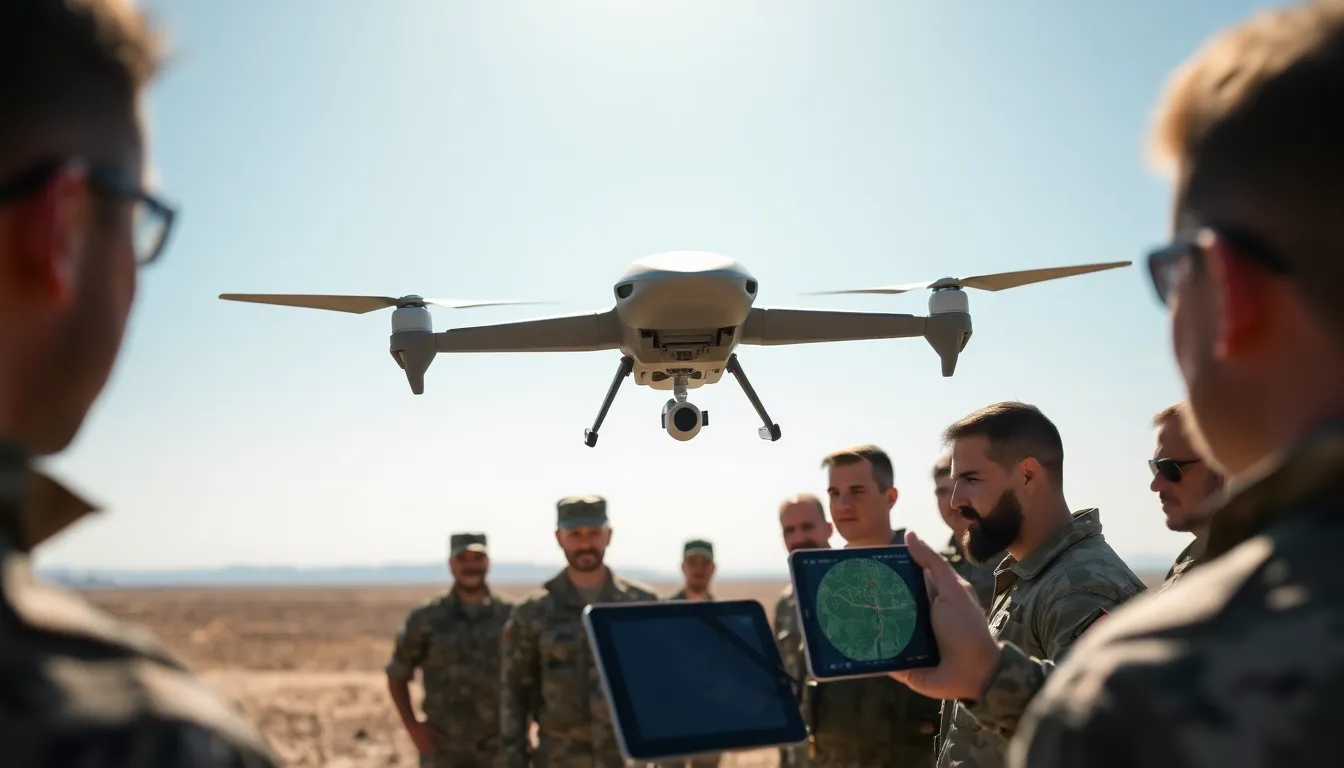
Military drones, also known as unmanned aerial vehicles (UAVs), have revolutionized warfare in recent decades. These flying machines operate without a human pilot on board, allowing for increased operational flexibility and reduced risk to human life. The primary purposes of military drones include surveillance, reconnaissance, and targeted strikes against enemy targets. They gather intelligence in hostile territories, monitor borders, and help air strikes with pinpoint accuracy. Their growing prevalence highlights not only their military significance but also the evolution of aerial combat. In recent years, these drones have undergone impressive advancements, becoming essential tools in modern warfare.
Types of Military Drones
Military drones are classified into various types based on their intended use and capabilities. Here are some of the most prominent categories:
1. Reconnaissance Drones
These UAVs, like the RQ-11 Raven, are small and designed for intelligence gathering. Their size allows them to blend into surroundings easily and gather data without detection.
2. Combat Drones
Combat drones, such as the MQ-9 Reaper, are larger and equipped for offensive operations. They have the capacity to carry weapons and engage enemies directly.
3. Surveillance Drones
These drones, like the Global Hawk, are designed for long-range missions, monitoring vast areas, and collecting real-time battlefield data.
4. Tactical Drones
Generally smaller than their surveillance counterparts, tactical drones are used for short-range operations and are ideal for specific missions requiring quick deployment.
Size Comparison of Various Military Drones
When discussing drone sizes, there’s a striking contrast that can be noted across different models. Here’s a breakdown of some notable examples:
1. RQ-11 Raven
- Wingspan: 4.5 feet
- Length: 3.5 feet
This small, portable drone weighs less than 13 pounds and is easily deployable by hand.
2. MQ-1 Predator
- Wingspan: 48 feet
- Length: 27 feet
The Predator is a bit heftier, carrying out its missions with remarkable endurance.
3. MQ-9 Reaper
- Wingspan: 66 feet
- Length: 36 feet
This drone is larger yet designed for combat, with significant payload capacity.
4. Global Hawk
- Wingspan: 130 feet
- Length: 44 feet
A true giant, the Global Hawk specializes in intelligence gathering over vast distances.
Not only do these measurements give insight into the diversity of military drones, but they also highlight the different roles each drone plays in military operations.
Factors Influencing Drone Size
Several factors come into play when determining the size of a military drone:
1. Purpose
The intended function dictates much of a drone’s design. Reconnaissance drones are typically smaller, while combat drones need enough space to carry weapons and support systems.
2. Technology
Advancements in technology allow for miniaturization of components. As technology becomes lighter and more efficient, drones can be designed to be smaller without sacrificing power or capabilities.
3. Deployment Geography
Drones intended for urban warfare require different dimensions than those used in open fields. In densely populated areas, smaller drones may be preferred to reduce collateral damage and ensure stealth.
Technological Advancements in Military Drones
The evolution of military drones reflects significant technological advancements within the field. Modern drones incorporate sophisticated materials and systems that enhance their performance and capabilities.
1. Materials
Lightweight composites and high-strength materials help reduce overall weight while maintaining durability.
2. Sensors and Cameras
Advanced imaging technology allows drones to gather and analyze data more efficiently, making their role crucial in battlefield awareness.
3. Autonomous Flight Systems
With improvements in autonomous technology, drones can operate with minimal human intervention. These systems make them more efficient and effective in monitoring or striking targets.
Future Trends in Military Drone Size and Design
Looking ahead, the evolution of military drones is poised for exciting developments. Here are some anticipated trends:
1. Increased Miniaturization
As technology advances, smaller drones could become commonplace, allowing for more tactical operations in crowded urban environments.
2. Hybrid Models
Future designs may integrate multiple functionalities, combining reconnaissance and combat capabilities in a single platform without significantly increasing size.
3. Swarm Technology
Emerging concepts in swarm technology could deploy numerous smaller drones collectively, providing vast coverage and operational flexibility while maintaining smaller individual sizes.

