

Have you ever looked up at the sky and wondered if something was watching you? Spoiler alert: it just might be. Spy drones are here, taking surveillance to heights and distances that were previously unthinkable. With eyes in the sky, they’re transforming the way we approach reconnaissance, all while sparking conversations about privacy and ethics. Let’s jump into the intriguing realm of spy drones, where cutting-edge technology meets the desire to keep tabs on what’s happening all around us.
What Are Spy Drones?
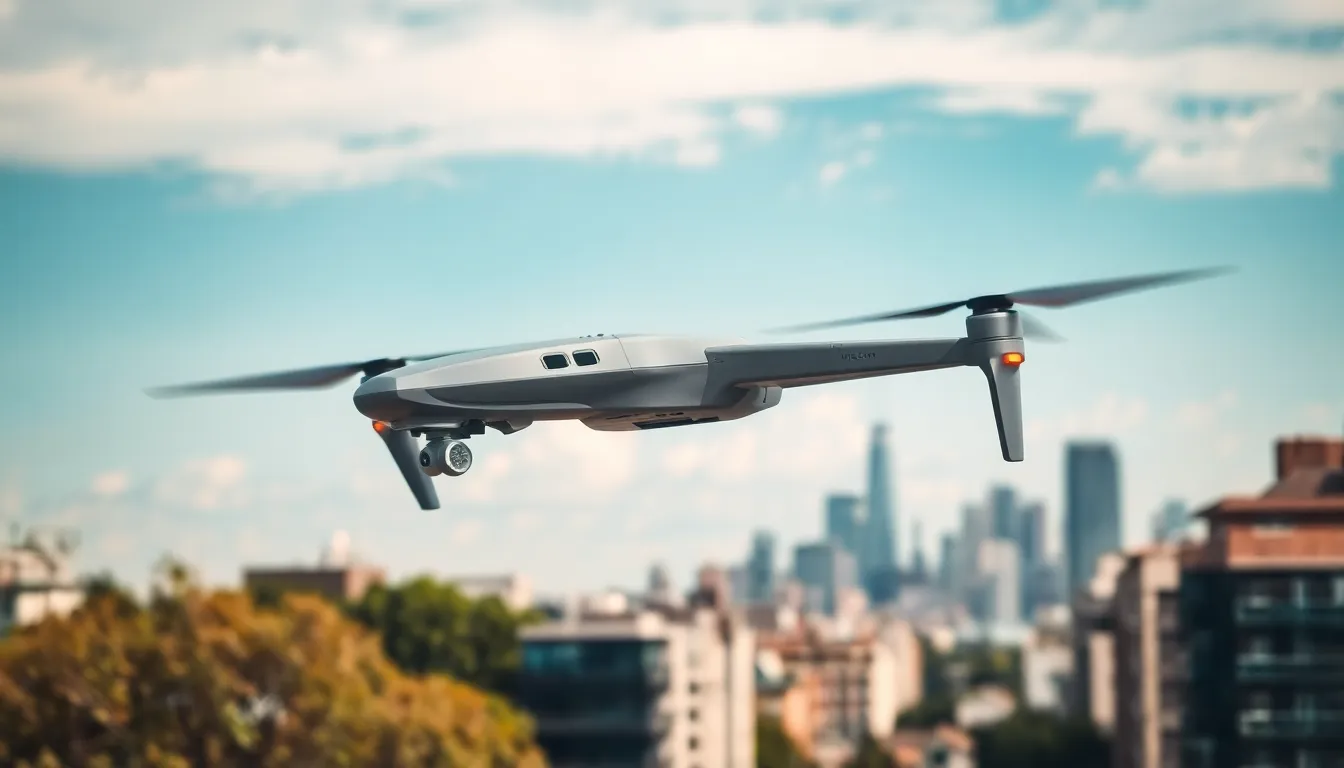
Spy drones, formally known as unmanned aerial vehicles (UAVs), are remotely controlled aircraft designed specifically for reconnaissance and surveillance purposes. Unlike your average drone, these high-tech gadgets are equipped with an array of advanced sensors and cameras that allow them to gather crucial intel from heights. They come in various shapes and sizes, but their primary mission remains the same: to provide real-time data to military, governmental, and even civilian users without risking human lives.
What distinguishes spy drones from regular drones is the level of sophistication they possess. They often incorporate technologies like radar, infrared, and even facial recognition software. Picture a hawk soaring silently above its prey, that’s the essence of a spy drone, sleek and observant, with functions that can change the course of how information is gathered in both conflict and peace.
Types of Spy Drones
Spy drones are not a one-size-fits-all solution: in fact, they come in various types tailored for specific missions. Here’s a look at some notable categories:
Military Drones
These are typically larger UAVs equipped with sophisticated surveillance systems. Think about Predator and Reaper drones, they’re the giants in the industry, collecting intelligence far beyond what human eyes can see.
Commercial Drones
With the rise of technology, commercial spy drones have emerged, used by businesses and law enforcement agencies for tasks ranging from monitoring agriculture to overseeing crowd control during events. These drones offer a more affordable option for those looking to harness aerial surveillance.
Mini Drones
As their name suggests, mini drones are compact yet packed with utility. Often used for tactical reconnaissance, these small-scale UAVs offer a high degree of maneuverability, making them ideal for urban environments.
Swarm Drones
Here’s where things get futuristic. Swarm drones operate in groups, collaborating on surveillance tasks in an unprecedented manner. This technology is being refined for military applications, allowing for complex operations such as mapping large areas quickly.
Applications of Spy Drones
Spy drones have carved a niche across various fields, showcasing their diverse applications.
Military Operations
In warfare, they provide a tactical advantage by scouting enemy territory without putting soldiers in harm’s way. Drones can gather intelligence on troop movements and provide real-time surveillance during conflicts.
Disaster Management
During natural disasters, spy drones can assist in damage assessment and search-and-rescue operations. Their aerial viewpoint can offer crucial insights that would be impossible to gather from the ground.
Environmental Monitoring
They play a pivotal role in tracking wildlife, monitoring deforestation, and assessing the effects of climate change. By obtaining data from hard-to-reach places, drones help researchers and environmental activists advocate for the earth more effectively.
Infrastructure Inspection
From monitoring pipeline integrity to inspecting bridges, drones provide a safer and more efficient way to manage and maintain infrastructure. They can traverse high and dangerous locations, reducing the risk to human inspectors.
Technological Advancements in Spy Drone Capabilities
The advancements in spy drone technology are nothing short of astonishing, as each year brings enhancements that push the limits of what these machines can do.
Artificial Intelligence Integration
Modern drones are increasingly incorporating AI, allowing them to analyze data in real-time. This capability empowers them to distinguish between different objects and even recognize faces, which is a game changer for surveillance.
Extended Flight Time
Battery life? Not an issue anymore. With advancements in battery technology and solar-powered drones, many UAVs can operate longer without needing to recharge.
Enhanced Camouflage
Imagine a drone that’s less detectable. Advanced materials and stealth technology are enabling drones to become less visible to radar and other detection systems, enhancing their scope for covert operations.
Autonomous Operations
Futuristic as it may sound, many drones can now perform missions autonomously, following pre-set pathways and conducting surveillance without real-time control from operators.
Ethical Concerns and Privacy Issues
With great technology comes great responsibility. The rise of spy drones has sparked a robust debate around ethics and privacy.
The Surveillance State
One of the main concerns is the potential for abuse by governments or organizations, leading to a surveillance state where individuals feel they’re constantly being watched. The implications on civil liberties are profound and troubling.
Privacy Invasion
Imagine stepping outside only to find that you might be under aerial scrutiny. That’s the petrifying reality for many people. The challenge lies in balancing security needs with the right to privacy.
Accountability and Regulation
As this technology continues to evolve, so too must the regulations that govern its use. There’s an urgent need for frameworks that hold users accountable and define the boundaries of acceptable drone usage.
The Future of Spy Drones
Looking ahead, the spy drone industry is poised for remarkable growth and innovation.
Integration with IoT
As the Internet of Things expands, spy drones could become interconnected with other devices, pooling surveillance data to provide even richer intelligence when needed.
Enhanced Data Analytics
Faster and more sophisticated data analytics will make it easier to glean actionable insights from the data collected by drones, making them even more valuable in various fields from defense to agriculture.
Greater Accessibility
As technology advances, the costs of drones are likely to decrease, putting spy drones within reach of smaller organizations, even private citizens. While this can enhance security, it also raises new ethical questions.

