

Imagine walking into a clinic where the only sound is the rhythmic beep of machines, and the walls are lined with high-tech gadgets that promise to unveil the secrets of your blood vessels. Enter vascular technology, the superhero of diagnostics and treatment, swooping in to transform healthcare. This isn’t just about gadgets: it’s about saving lives and making diagnoses as easy as pie. From the curious medical student to the seasoned cardiologist, vascular tech is the talk of the town, and for good reason. Let’s embark on a journey to explore this fascinating field and see how it’s changing the way we understand and treat vascular conditions.
Understanding Vascular Technology
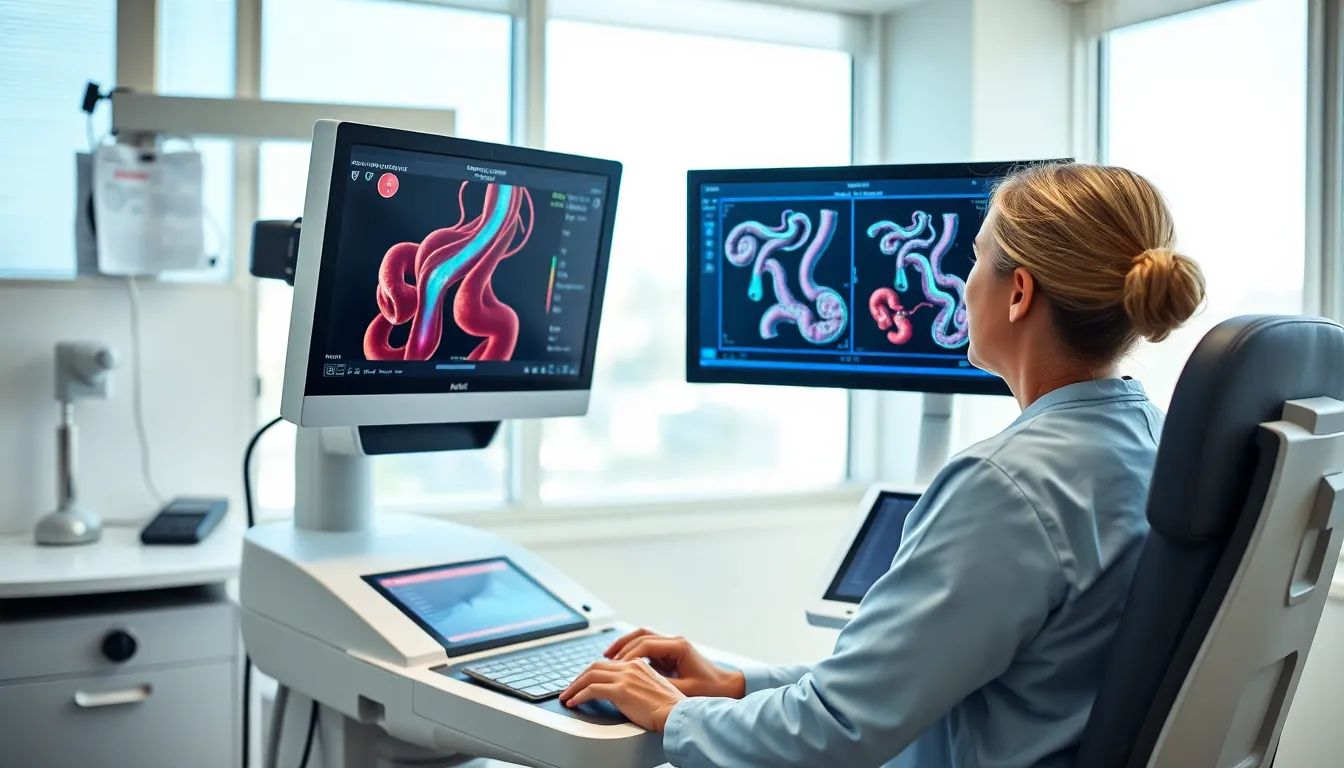
Vascular technology is a branch of medical science that focuses on diagnosing and treating conditions affecting the vascular system, which includes arteries and veins. This area of technology has evolved rapidly, employing sophisticated tools that provide intricate visualizations and precise measurements of blood flow. For professionals in the field, understanding vascular technology means knowing how these tools function and the unique insights they offer. Vascular tech plays a pivotal role not only in identifying diseases but also in monitoring the effectiveness of treatment strategies.
The integration of vascular technology into routine practice has transformed approaches to conditions like atherosclerosis and varicose veins. Technicians trained in vascular technology, often known as vascular technologists, play a vital role in this landscape by conducting essential diagnostic tests that guide treatment decisions.
Types of Vascular Tech Devices
The realm of vascular technology boasts an impressive array of devices designed to assist in both diagnostics and interventions. Among the most notable are:
- Ultrasound Machines: These devices use high-frequency sound waves to create images of blood flow in real time. They are non-invasive and crucial in assessing blood clots and varicose veins.
- Angiography Systems: Utilizing X-rays, these systems generate detailed images of blood vessels after a contrasting dye is injected. This technique is often employed during surgical procedures to ensure accurate placement of stents or other interventions.
- CT and MRI Scanners: While not exclusively vascular tools, their advanced imaging capabilities allow for detailed cross-sectional views of vascular structures, helping diagnose conditions such as aneurysms.
- Peripheral Arterial Disease Devices: These specialized devices gauge blood flow in the extremities, aiding in the diagnosis of circulatory issues that can lead to severe complications if left untreated.
Each of these devices plays a distinct role in uncovering vascular issues, making accurate diagnosis and effective treatment not just possible, but efficient.
Innovations in Vascular Imaging Techniques
Innovation is the lifeblood of vascular technology. Recent advancements are not merely incremental improvements, rather they revolutionize how vascular conditions are diagnosed. For instance, advancements in 3D imaging and simulation technologies allow for better visualization of complex vascular structures, providing insights that were once reserved for exploratory surgeries. Besides, contrast-enhanced ultrasound is blazing new trails by improving the precision of imaging in real-time, offering benefits far beyond conventional methods.
Emerging modalities such as photoacoustic imaging hold promise as well. This innovative technique combines the high spatial resolution of ultrasound with the functional insights of optical imaging, yielding rich data on blood flow and oxygenation levels in tissues. With ongoing research, the future of vascular imaging is bright, promising to further refine diagnostics and treatment strategies.
Applications of Vascular Technology in Healthcare
The applications of vascular technology permeate various aspects of healthcare, particularly in cardiovascular medicine. These applications range from routine diagnostic tests to sophisticated procedures. For example:
- Diagnosis of Cardiovascular Diseases: Vascular imaging techniques provide critical data on conditions such as coronary artery disease, allowing for timely intervention.
- Monitoring post-surgical outcomes: After procedures like angioplasty, vascular tech devices can assess blood flow and ensure that the surgical site is healing properly.
- Disease Management: Regular monitoring of chronic conditions, such as peripheral artery disease (PAD), is essential. Vascular technology offers continuous data that informs treatment adjustments and healthcare strategies.
Plus, the technology aids in education, allowing doctors to visualize patient-specific conditions and tailor their approach accordingly. Eventually, the implications of vascular technology are profound, touching many lives in and beyond the healthcare setting.
Challenges and Limitations of Vascular Technology
Even though its remarkable advancements, vascular technology is not without its challenges. One significant hurdle is the cost. High-tech tools can be expensive to acquire and maintain, which may limit access for certain healthcare facilities, particularly in rural areas. Also, while the imaging techniques are sophisticated, they are not infallible. Misinterpretations can occur, leading to misdiagnoses that have severe repercussions.
Also, the reliance on technology brings up issues related to training. Technicians must be thoroughly trained to operate complex imaging machines and appropriately interpret the results. Besides, maintaining patient trust when employing new technologies can also be a concern, as patients may feel overwhelmed or suspicious of the latest methods.
Future Trends in Vascular Technology
The future of vascular technology is poised for exciting developments. As artificial intelligence (AI) continues to evolve, its integration into vascular diagnostics promises to enhance analytical capabilities significantly. AI can quickly analyze vast amounts of imaging data, identify patterns, and even assist in predicting potential complications.
Also, telemedicine is gaining traction, allowing vascular specialists to conduct remote consultations and follow-ups. This trend is particularly beneficial for patients who may have difficulty accessing specialized care due to distance or mobility issues.
Finally, ongoing research into minimally invasive techniques and devices will continue to redefine the treatment landscape. Innovations such as bioprinting vascular tissues may soon emerge, challenging conventional perceptions of how vascular diseases are managed and treated.

