

In a world where everything from your shoes to your refrigerator can connect to the internet, wearables stand out as the event planners of personal tech, always there, seamlessly integrating into everyday life. But hold your horses: these nifty gadgets are not just about tracking steps. They’re transforming how people approach health, fitness, and even communication. Ever wondered what the term “wearables” truly means? Stick around while we break it down, detecting the coolest gadgets you never knew you needed.
Defining Wearables
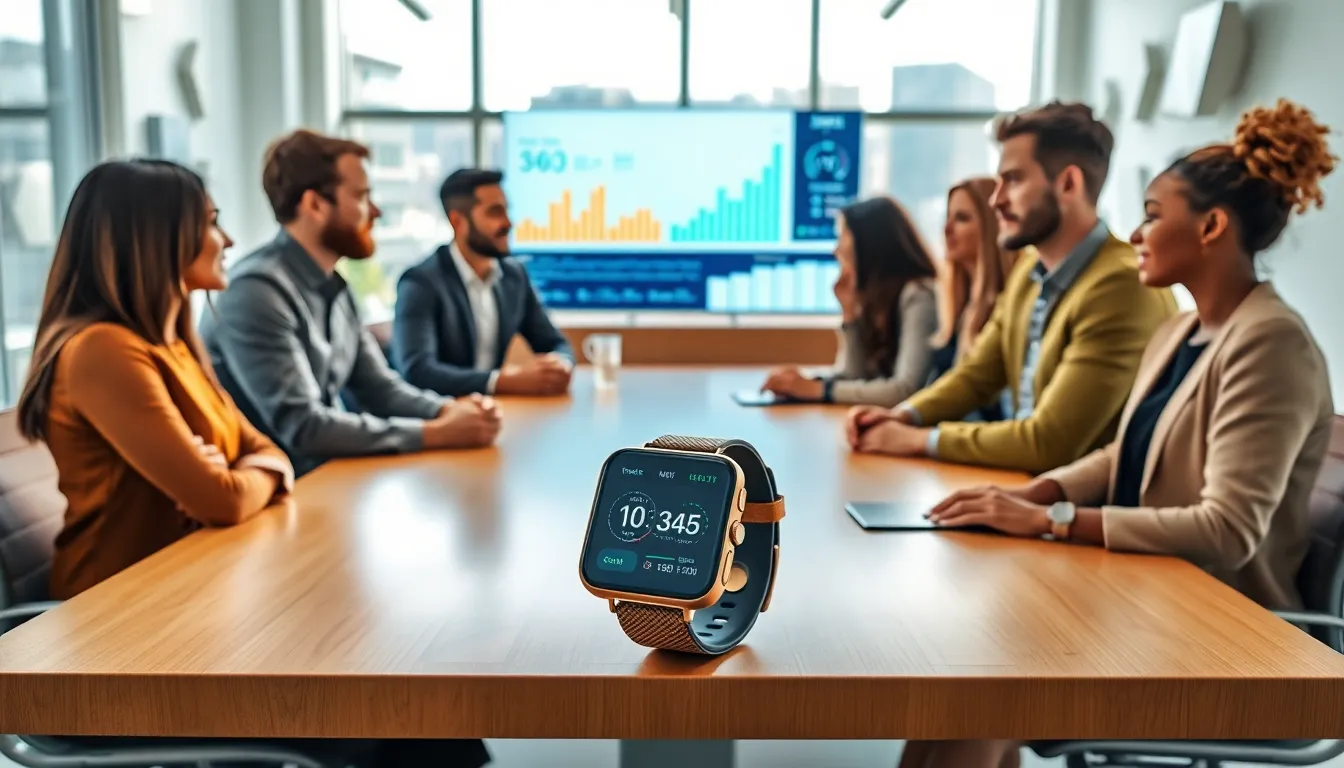
At its core, the term “wearables” refers to electronic devices that can be worn as accessories or embedded in clothing. Think of smartwatches, fitness trackers, and even smart clothing. These aren’t just gadgets: they serve a range of functions from monitoring health metrics to enhancing daily convenience. Essentially, anything that can be worn on the body, connected to the internet, and provides functionality beyond traditional accessories qualifies as a wearable. Users are increasingly relying on these devices for real-time feedback, portable convenience, and improved health management.
Types of Wearable Devices
Wearable technology comes in various forms, each tailored to different needs. Common types include:
- Smartwatches – These multifunctional devices do more than just tell time. Users can receive notifications, track fitness, and even make calls.
- Fitness Trackers – Focused mainly on health metrics, these gadgets monitor heart rate, steps taken, and sleep patterns.
- Smart Clothing – Garments integrated with technology, like shirts that can track heart rates or leggings that measure muscle activity.
- Head-mounted Displays (HMDs) – Devices like VR headsets that immerse users in virtual experiences.
- Medical Wearables – Devices designed for health monitoring, these include wearables for continuous glucose monitoring, ECG tracking, and more. Each type caters to different aspects of lifestyle, health, and even entertainment.
How Wearables Work
Wondering how these gadgets work? It’s fascinating. Wearable devices rely on various technologies. Most commonly, they use sensors to collect data. For example, accelerometers detect movement and track steps, while heart rate monitors use optical sensors to gauge pulse. Data collected is typically processed by integrated software, which translates it into readable information. Users can view this data through connected apps on smartphones or directly on the device. Many wearables also employ Bluetooth to sync data seamlessly, ensuring users stay informed at all times.
Applications of Wearable Technology
The applications of wearable technology are vast, barely scratching the surface of what’s possible. Here are some prominent uses:
- Health Monitoring: Real-time health data helps professionals and patients manage health proactively.
- Fitness Tracking: From stepping counts to calorie burning, fitness enthusiasts rely on wearables for motivation and progress tracking.
- Navigation: Smart devices can provide directions and track locations without needing to pull out a phone.
- Enhanced Reality: Augmented reality headsets are paving the way for innovative applications in gaming, training, and even healthcare.
As technology evolves, new applications continue to emerge, making wearables even more integral to daily life.
Benefits of Using Wearables
Individuals turning to wearables will find numerous advantages:
- Real-time Data Access: Monitoring health or fitness stats instantly aids in well-informed choice-making.
- Enhanced Motivation: Push notifications and reminders help boost motivation for fitness or health goals.
- Convenience: Wearables simplify tasks, from answering calls to tracking workouts, all while leaving the hands free.
- Personalization: Many devices allow users to customize features, tailoring them according to personal health goals and preferences. These advantages make the transition to wearables a logical choice for many.
Challenges and Limitations
Even though their growing popularity, wearables face several challenges:
- Battery Life: Many devices require frequent charging, which can be a hassle.
- Data Privacy: With extensive data collection, privacy concerns can arise, making users wary of how their information is handled.
- User Interface: Some wearables struggle with complex settings or small display screens, making user experience less than stellar.
- Health Data Accuracy: Variability in sensor accuracy may lead to misinformation, raising questions about reliance on these devices. Addressing these challenges will be crucial for the ongoing evolution of wearable technology.
The Future of Wearable Technology
Looking ahead, wearables show great promise in integrating more advanced functionalities. Developments in AI are poised to revolutionize how wearables interact with users, offering proactive health insights and personalized recommendations. Besides, advancements in biotechnology could lead to more sophisticated health monitoring wearables that provide crucial real-time data on various medical conditions. As manufacturers innovate, one can expect wearables to become more streamlined, fashionable, and intuitive, making them an indispensable part of daily routines.

